Services & Rates
Trigger Point Therapy

Trigger Point Therapy is a style of bodywork that focuses on stimulating and releasing "trigger points" in your body. Trigger points are tender areas of tension similar to acupressure points, except they occur in the belly of the muscle rather than along the energy pathways of the body. These "knots" are built up throughout a person's life due to physical, mental, and/or emotional stress. During a session, focused pressure is applied through a variety of techniques order to release your trigger points. This process can be quite painful at times, yet the effects are lasting and profoundly transformative.
Lymphatic Drainage
Lymphatic Drainage Therapy aims to gently and rhythmically move the lymph through the body, especially swollen areas of the body, relieving pressure and enhancing the functioning of the immune system. As both a preventative and remedial technique, LD can be used for a wide range of purposes including faster recovery from injury, reduction of swelling and discomfort from pregnancy, and strengthened resistance to illness.
Deep Tissue Massage

Deep Tissue Massage is a form of bodywork that aims to relieve tension in the deeper layers of tissue in the body. Deep Tissue Massage is a highly effective method for releasing chronic stress areas due to misalignment, repetitive motions, and past lingering injuries. Due to the nature of the deep tissue work, open communication during the session is crucial to make sure you don't get too uncomfortable. Keep in mind that soreness is pretty common after the treatment, and that plenty of water should be ingested to aid with the flushing and removal of toxins that will have been released from the deep tissue during the session.
Hot Stone Therapy
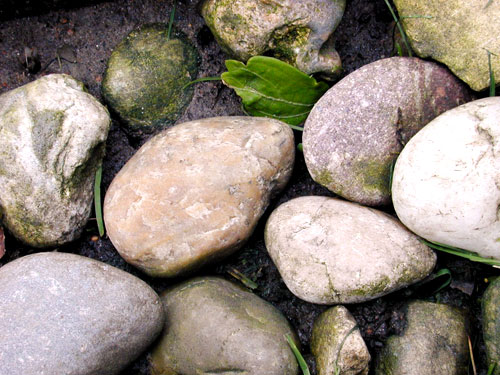
Hot Stone Therapy is a style of massage where heated stones are placed at specific sites on your body to deepen relaxation and promote circulation in your muscles. Muscles that are heated with these stones release tension and stress much more deeply and quickly than with a traditional massage. The overall experience is very relaxing, nurturing, and rejuvenating.
Neuromuscular Therapy
Neuromuscular therapy is a system of massage techniques that were developed in the 1930's by Dr. Stanley Lief in England. It uses a holistic approach towards healing, emphasizing and stimulating the body's natural ability to heal itself. Neuromuscular therapy also enhances the function of joints and muscles, and accelerates the overall healing process by facilitating the release of endorphins.
Active Isolated Stretching

Developed by Aaron Mattes, Active Isolated Stretching (AIS) is a dynamic system for improving your flexibility and overall well-being. As you probably already know, stretching your muscles not only reduces your chance of injury, but also strengthens your tendons and improves your circulation.
Swedish Massage

Swedish Massage is a very relaxing and therapeutic style of bodywork. It combines oils or lotion with an array of strokes such as rolling, kneading, and percussion to help the body improve its circulation. The benefits of this type of bodywork are wide-ranging and include relief from aches and pains, decreased stress levels in the body, enhanced mental clarity, improved appearance, and greater flexibility.
Acupressure
Acupressure is based on one the most ancient principles of healing - that simply touching a specific point on the body will release stress and improve health in the body. In an acupressure session, I apply firm pressure directly to these "points" on your body, which relieves your muscle tension and improves your circulation. This simple and powerful technique has been shown to very effective in treating headaches, backaches, and even insomnia.
Myofascial Release
Myofascial release is a form of soft tissue therapy intended to eliminate pain, increase range of motion, and rebalance the entire body. It does this by using massage techniques to stretch the fascia and release the bonds that exist between the fascia, muscles and bones. Fascia is the connective tissue that connects and covers all muscles, organs, and skeletal structures of the body. Direct myofascial release is sometimes known as deep tissue work. Indirect release applies light pressure and gently stretches the fascia; this allows for increased blood circulation and relief from pain.
Movement Education
Movement education uses a custom-tailored approach to improving your body awareness and movement skills. Combining problem-solving, guided-discovery, and exploratory methods, this practice inevitably leads to a stronger connection between the mind and body, creating a more natural and graceful experience of movement and interaction with other people.
CranioSacral (SM)
CranioSacral Therapy is a gentle yet powerful technique that is effective in releasing neck pain, back pain, and mental stress (among other things). It does this by optimizing the movement of cerebrospinal fluid through the spine and around the skull. Developed by physician William Sutherland, this therapy provides a very soothing and relaxing healing experience.
Structural Integration
Structural integration employs soft tissue manipulation with the goal of realigning the body in relationship to the force of gravity. The theory underlying structural integration asserts that often the body's connective tissue is "bound up," thus restricting opposing muscles from working independently of one another. Thus, we aim to loosen the restricted connective tissue by using a practice very similar to deep tissue massage. Practitioners typically prescribe a specific sequence of ten sessions lasting between 75 and 90 minutes in order to "unlock" the whole body.